
Suspected Infidelity: Why Verifying the Truth Matters
Suspecting infidelity can lead to emotional decisions. Learn why verifying information matters before taking action and how facts protect trust and clarity.
2/28/20254 min read

Suspecting infidelity is one of the most emotionally destabilizing experiences a person can face. A change in routine, unexplained absences, guarded phone behavior, or subtle emotional distance can quietly plant doubt. Once suspicion takes root, it often grows faster than facts can keep up.
However, suspicion alone is not the truth. Acting on assumptions, especially in matters involving relationships, finances, or family, can lead to irreversible consequences. This is why verifying information matters far more than following emotion-driven conclusions.
Why Suspicion of Infidelity Is So Common
In modern relationships, daily life leaves behind countless digital and behavioral traces. Work schedules are flexible, communication happens across multiple platforms, and personal privacy is more complex than ever. As a result, behaviors that may be completely innocent can appear suspicious when viewed through uncertainty.

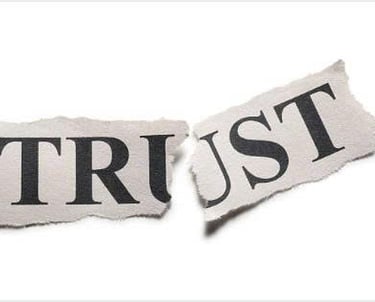
Common triggers of suspicion include:
Sudden changes in communication habits
Increased secrecy around personal devices
Emotional withdrawal or unexplained irritability
Inconsistencies in schedules or explanations
These signals can feel alarming, but they are indicators, not proof. Stress, work pressure, or personal struggles often create similar patterns without involving infidelity at all.
Assumptions Can Be More Dangerous Than the Truth
When suspicion is left unchecked, the mind tends to fill gaps with imagined explanations. This psychological pattern, known as confirmation bias, pushes individuals to selectively interpret events in ways that support their fears.
The danger lies not in discovering an uncomfortable truth, but in acting on something that may not be real. Accusations without evidence can:
Damage trust beyond repair
Escalate conflict unnecessarily
Affect children, shared finances, or extended family
Lead to emotional distress that lingers even after doubts are resolved
In many cases, the harm caused by false assumptions exceeds the impact of the truth itself.
For example:
A late night at work is a sign
Verified presence at an undisclosed location is evidence


Signs vs. Proof: Understanding the Difference
It is essential to separate signs from evidence. Signs are subjective observations that raise questions. Proof, on the other hand, is objective information that can withstand scrutiny.
Confusing the two often leads to premature conclusions. Without verification, even well-intentioned concerns can turn into damaging accusations.
Verified information offers a different outcome. It allows individuals to:
Remain calm and composed
Choose appropriate timing and communication
Avoid unnecessary confrontation
Protect their legal and personal boundaries


Emotional Decisions vs. Verified Information
Clarity does not always bring comfort, but it provides control. Control allows people to decide what comes next instead of reacting blindly.
Emotions naturally run high when trust feels threatened. Fear, anger, and insecurity can push people to confront, accuse, or monitor behavior impulsively. Unfortunately, emotional decisions tend to limit options rather than clarify them.
It is important to understand that:
Privacy laws vary by jurisdiction
Certain methods of gathering information may be illegal
Evidence obtained improperly may not be usable in legal contexts


Legal and Ethical Boundaries You Should Be Aware Of
Seeking truth should never come at the cost of personal safety or legal exposure. Responsible information verification respects both the law and individual rights.
In the pursuit of answers, many people overlook legal and ethical considerations. Unauthorized tracking, invasion of privacy, or accessing personal data without consent can lead to serious legal consequences.
Verification may be appropriate when:
Financial assets or business interests are involved
Children or custody arrangements could be affected
Legal separation or divorce is being considered
Emotional uncertainty is impacting mental health


When Seeking the Truth Is the Right Choice
In such cases, accurate information allows individuals to move forward with confidence rather than doubt.
Not every suspicion requires investigation. However, there are situations where clarity becomes necessary, particularly when decisions carry long-term consequences.
Some people choose honest dialogue and reconciliation. Others decide to protect their boundaries and move on. There is no universal right answer, only choices that align with personal values and circumstances.

What to Do After the Truth Is Known
What matters most is that decisions are based on reality rather than fear. Truth provides a stable foundation for closure, healing, or rebuilding trust.
Discovering the truth, whatever it may be, is not the end of the process. It is the beginning of informed decision-making.
Suspected infidelity challenges emotional balance and judgment. While suspicion may feel overwhelming, it should never dictate irreversible actions. Verifying information allows individuals to regain control, protect themselves, and make decisions rooted in clarity rather than assumption.
In sensitive situations, accurate information is not about proving someone wrong or right. It is about ensuring that life-changing decisions are made with calm, confidence, and understanding.
Contact Us for a Free Consultation
Don’t live in doubt — take the first step toward the truth today.


We are available 24/7 to assist with infidelity investigations, cheating spouse surveillance, marital background checks, and private detective services in Vietnam.
Your peace of mind matters — let our professionals handle the rest.